
Throughout human history, indigenous cultures and ancient civilizations developed sophisticated knowledge of medicinal plants. Today, scientists are rediscovering these forgotten remedies, revealing powerful healing properties that modern medicine is only beginning to understand.

The wisdom of traditional healers, once dismissed as superstition, is now being validated through rigorous scientific research. From the Amazon rainforest to the mountains of Tibet, ancient botanical knowledge is offering solutions to contemporary health challenges. These rediscovered remedies represent a bridge between ancestral wisdom and modern pharmacology, potentially transforming how we approach wellness in the 21st century.
🌿 The Lost Botanical Wisdom of Ancient Civilizations
Ancient cultures across the globe developed intricate systems of plant-based medicine over thousands of years. The Egyptians created detailed medical papyri documenting hundreds of herbal remedies. Traditional Chinese Medicine catalogued over 13,000 medicinal substances, primarily plant-based. Indigenous peoples of the Americas identified healing properties in countless species that modern science is only now investigating.
These systems weren’t random trial and error. They represented sophisticated understanding of plant chemistry, dosing, preparation methods, and synergistic combinations. Unfortunately, colonization, industrialization, and the dominance of synthetic pharmaceuticals led to the abandonment of much of this knowledge. Entire healing traditions vanished as indigenous languages died out and traditional healers disappeared.
The pharmaceutical industry’s focus on isolated compounds and synthetic drugs overshadowed holistic plant medicine for nearly a century. However, with growing concerns about antibiotic resistance, chronic disease management, and pharmaceutical side effects, researchers are returning to ancient sources for inspiration and solutions.
Remarkable Plants Making a Scientific Comeback
Artemisia Annua: From Ancient Chinese Remedy to Nobel Prize
Sweet wormwood, or Artemisia annua, exemplifies the potential of rediscovered ancient remedies. Used in Traditional Chinese Medicine for over 2,000 years to treat fever, this unassuming plant remained relatively unknown to Western science until the 1970s. Chinese scientist Tu Youyou investigated ancient medical texts during a malaria crisis and isolated artemisinin from the plant.
This discovery revolutionized malaria treatment, saving millions of lives. Tu Youyou received the Nobel Prize in Physiology or Medicine in 2015 for this work. Today, artemisinin-based combination therapies are the frontline treatment for malaria worldwide, demonstrating how ancient wisdom can solve modern global health crises.
Kawakawa: The Māori Healing Treasure
The Māori people of New Zealand have used kawakawa leaves for centuries to treat wounds, skin conditions, and internal ailments. Recent research has validated these traditional uses, revealing potent anti-inflammatory and antimicrobial compounds. Scientists have identified myristicin and other active constituents that explain the plant’s therapeutic effects.
Modern applications of kawakawa are expanding beyond traditional uses. Extracts are being incorporated into skincare products, wound dressings, and natural health supplements, bringing this forgotten remedy to international markets while honoring its cultural origins.
Dragon’s Blood: The Amazonian Wound Healer
For generations, indigenous Amazonian tribes used the red sap from Croton lechleri trees to heal wounds, treat gastrointestinal issues, and reduce inflammation. Known as sangre de drago or dragon’s blood, this remedy seemed almost magical in its effectiveness. Scientific analysis revealed why: the sap contains taspine, a potent alkaloid with tissue-healing and anti-inflammatory properties.
Clinical trials have confirmed dragon’s blood’s efficacy in treating diarrhea, particularly traveler’s diarrhea and IBS-related symptoms. Topical applications accelerate wound healing and reduce scarring. This ancient Amazonian remedy is now available in various commercial formulations, validated by modern research but rooted in centuries of traditional knowledge.
The Science Behind Traditional Plant Medicine 🔬
Modern analytical techniques are revealing why ancient remedies work. Phytochemical analysis identifies active compounds, while genomic studies explain mechanisms of action at cellular and molecular levels. This scientific validation doesn’t diminish traditional knowledge—it confirms and expands our understanding of these powerful healing plants.
Many traditional remedies contain multiple active compounds working synergistically. This holistic approach often proves more effective than isolated pharmaceutical compounds. For instance, whole plant cannabis extracts demonstrate greater therapeutic benefits than isolated THC or CBD due to the “entourage effect” of multiple cannabinoids and terpenes working together.
Ethnopharmacology, the scientific study of traditional medicines, has become a respected field bridging indigenous knowledge and modern research. Scientists now collaborate with traditional healers, creating ethical frameworks that honor indigenous intellectual property while advancing medical knowledge.
Forgotten Plants with Modern Medical Potential
Bacopa Monnieri: The Ancient Memory Enhancer
Used in Ayurvedic medicine for over 3,000 years to enhance memory and cognitive function, Bacopa monnieri was largely forgotten outside India. Contemporary research has confirmed its nootropic properties, showing that bacosides—the plant’s active compounds—enhance neuron communication and protect brain cells from oxidative stress.
Clinical studies demonstrate that Bacopa improves memory formation, reduces anxiety, and may protect against age-related cognitive decline. As concerns about dementia and Alzheimer’s disease grow, this ancient brain tonic is attracting significant scientific attention and commercial interest.
Boswellia: The Anti-Inflammatory Sacred Tree
Frankincense, derived from Boswellia trees, has been used medicinally since ancient Egyptian times. Beyond its ceremonial applications, traditional healers used Boswellia resin to treat arthritis, inflammatory conditions, and respiratory issues. Modern research has isolated boswellic acids, powerful anti-inflammatory compounds that work differently from conventional NSAIDs.
Studies show that Boswellia extracts effectively reduce inflammation in osteoarthritis, rheumatoid arthritis, asthma, and inflammatory bowel disease. Unlike synthetic anti-inflammatories, Boswellia produces fewer side effects, making it an attractive alternative for long-term management of chronic inflammatory conditions.
Rhodiola Rosea: The Viking Endurance Secret
Vikings consumed Rhodiola rosea to enhance physical strength and endurance during their demanding expeditions. Siberian cultures used this adaptogenic plant to cope with harsh climates and stressful conditions. After decades of Soviet research, Rhodiola’s stress-protective and performance-enhancing properties are now being recognized globally.
Scientific studies confirm that Rhodiola reduces fatigue, improves mental performance under stress, and enhances physical endurance. It modulates cortisol levels and protects cells from stress-induced damage, validating its traditional use as a resilience-building tonic.
Challenges in Rediscovering Ancient Plant Medicine 🌍
The journey to rediscover and validate ancient remedies faces several significant obstacles. Many traditional healing systems relied on oral transmission, meaning knowledge disappeared with the last practitioners. Habitat destruction has driven some medicinally valuable plants to extinction or near-extinction before scientists could study them.
Biopiracy remains a serious ethical concern. Pharmaceutical companies have historically exploited traditional knowledge without compensating indigenous communities. The Nagoya Protocol and similar international agreements now establish frameworks for benefit-sharing, but enforcement remains challenging.
Standardization presents another hurdle. Traditional remedies often involved specific preparation methods, harvest times, and plant parts. Translating these nuances into standardized commercial products while maintaining efficacy requires careful research and quality control.
Conservation and Sustainable Harvesting
As demand for rediscovered plant remedies grows, sustainable sourcing becomes critical. Wild harvesting has already threatened several species. Goldenseal, once abundant in North American forests, became endangered due to overharvesting for the herbal supplement market. Similar pressures threaten other newly popular medicinal plants.
Cultivation programs offer solutions but present their own challenges. Some medicinal plants prove difficult to cultivate, or cultivated varieties lack the potency of wild specimens. Climate change further complicates conservation efforts, altering ecosystems where these plants naturally thrive.
Successful models exist: sustainable wild-harvesting cooperatives in the Amazon, cultivation partnerships in India, and botanical gardens preserving endangered medicinal species. These initiatives balance commercial demand with ecological preservation and community benefit.
Integration with Modern Healthcare Systems 💊
Integrating rediscovered plant remedies into conventional medicine requires navigating regulatory frameworks designed for pharmaceutical drugs. Herbal medicines occupy an ambiguous category—neither food nor drug—creating approval and standardization challenges across different countries.
Progressive healthcare systems are creating integrative medicine programs that combine conventional treatments with evidence-based traditional remedies. Germany’s Commission E pioneered the scientific evaluation of herbal medicines, creating monographs that guide clinical use. Similar approaches are expanding globally.
Medical education is slowly incorporating phytomedicine and ethnopharmacology. Some medical schools now offer electives in botanical medicine, preparing future physicians to understand and appropriately recommend plant-based therapeutics alongside conventional treatments.
The Role of Technology in Plant Medicine Discovery
Artificial intelligence and machine learning are accelerating the rediscovery process. Researchers use AI to analyze ancient texts, identifying promising remedies mentioned across multiple cultures and time periods. Computer modeling predicts which plant compounds might interact with specific disease targets, prioritizing research efforts.
DNA barcoding helps authenticate medicinal plants, preventing adulteration and ensuring quality. This technology is particularly valuable when working with traditional remedies that may use rare or easily confused species. Metabolomics reveals the complete chemical profiles of medicinal plants, explaining synergistic effects that traditional healers intuitively understood.
Digital databases now catalog traditional medicine knowledge, preserving it for future generations while making it accessible to researchers worldwide. These repositories respect indigenous intellectual property while facilitating scientific investigation and validation.
Promising Plants Still Under Investigation 🔍
Countless medicinal plants await scientific investigation. Guayusa, used by Amazonian peoples for energy and mental clarity, shows promise as a sustainable caffeine source with additional health benefits. Chuchuhuasi, another Amazonian remedy, demonstrates anti-inflammatory and analgesic properties worthy of further research.
African traditional medicine offers a vast untapped resource. Hoodia gordonii, used by San people to suppress appetite during long hunting trips, generated pharmaceutical interest before commercial development stalled. Proper research partnerships and ethical frameworks could unlock many more African botanical treasures.
Asian medicinal traditions continue yielding discoveries. Jiaogulan, called the “immortality herb” in China, shows adaptogenic properties similar to ginseng. Andrographis paniculata, used throughout Asia for infections, demonstrates immunomodulating effects relevant to modern infectious disease challenges.
Building Ethical Partnerships with Indigenous Communities
Successful rediscovery of ancient remedies requires respectful collaboration with indigenous knowledge holders. Free, prior, and informed consent must guide all research involving traditional knowledge. Benefit-sharing agreements should provide fair compensation and recognize indigenous peoples’ intellectual contributions.
Some promising models include community-controlled research partnerships, where indigenous communities participate in study design and maintain authority over knowledge sharing. Revenue-sharing agreements ensure communities benefit financially when traditional remedies become commercial products.
Cultural sensitivity extends beyond legal agreements. Researchers must understand that some traditional knowledge is sacred or restricted, not meant for commercial exploitation. Building trust takes time and requires genuine commitment to community wellbeing beyond research objectives.
The Future of Ancient Remedies in Modern Medicine ✨
The rediscovery of forgotten plant medicines represents more than just finding new drugs. It offers a paradigm shift toward more holistic, sustainable healthcare approaches. As antibiotic resistance grows and chronic diseases proliferate, plant-based medicines provide alternatives that work with the body’s natural systems rather than against them.
Personalized medicine may incorporate traditional diagnostic approaches alongside genetic testing. Ayurvedic constitution types or Traditional Chinese Medicine patterns could complement modern biomarkers, creating truly individualized treatment protocols that draw from multiple healing traditions.
Climate change and biodiversity loss make this work increasingly urgent. Each plant species lost potentially eliminates undiscovered medicines. Each traditional healer who passes without sharing knowledge represents irretrievable loss. The time to document, research, and preserve this wisdom is now.
Practical Applications for Modern Wellness
Consumers increasingly seek natural alternatives for health maintenance and minor ailments. Rediscovered plant remedies offer evidence-based options between doing nothing and pharmaceutical intervention. However, education remains essential—natural doesn’t automatically mean safe, and plant medicines require the same respect and caution as conventional drugs.
Quality matters tremendously. The herbal supplement market varies widely in standards and oversight. Consumers should seek products with third-party testing, clear sourcing information, and standardized active compound concentrations. Professional guidance from trained herbalists or integrative medicine practitioners helps navigate options safely.
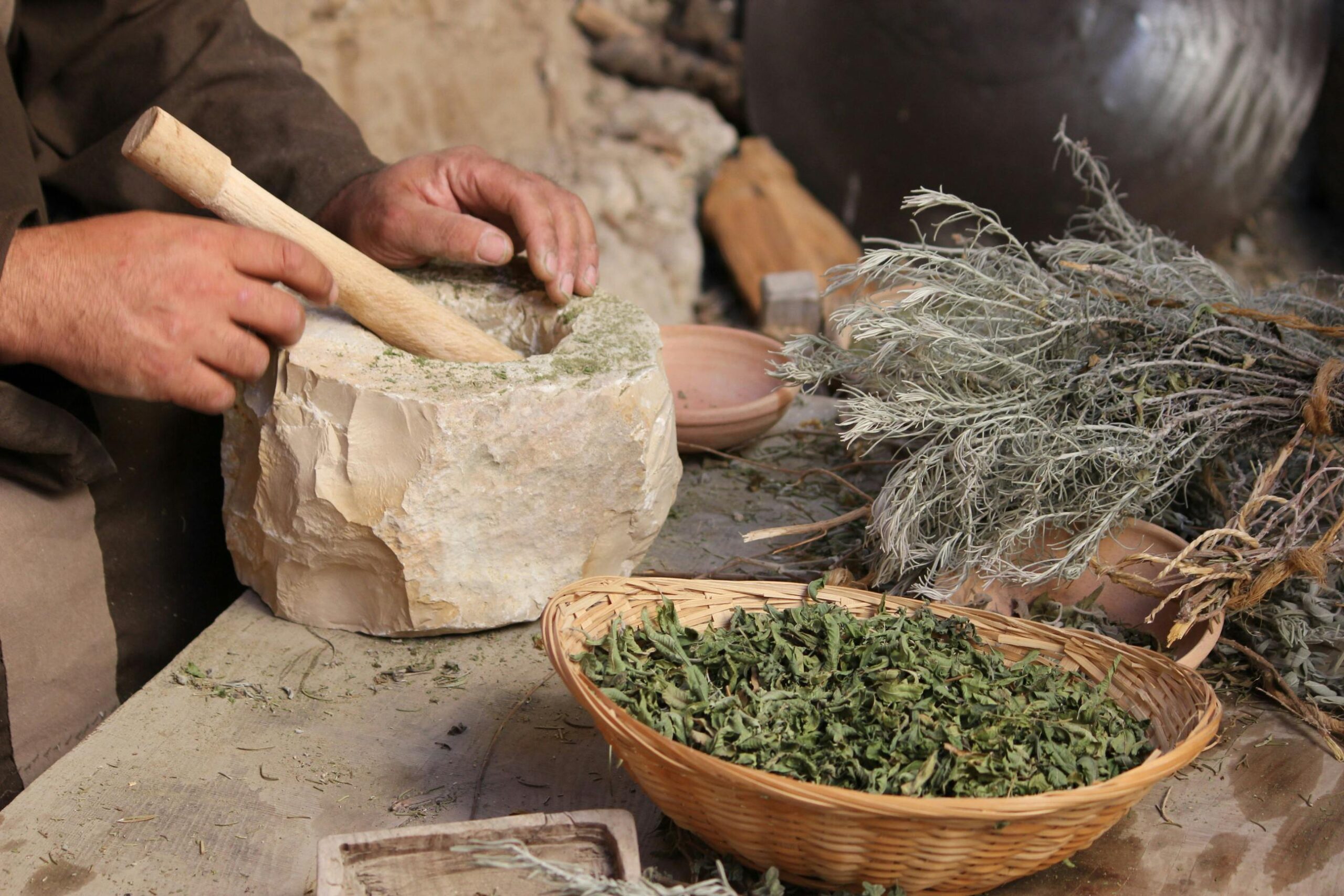
Growing your own medicinal plants provides the ultimate quality assurance while connecting with healing traditions. Many rediscovered remedies—holy basil, lemon balm, chamomile—grow easily in home gardens. This hands-on approach deepens appreciation for plant medicine while ensuring freshness and purity.
The rediscovery of ancient plant remedies bridges past and future, honoring traditional wisdom while advancing medical science. These forgotten healing plants offer solutions to modern health challenges, from chronic inflammation to antibiotic resistance. As research continues and ethical frameworks strengthen, the full potential of this botanical treasury will emerge, potentially transforming healthcare for generations to come. The key lies in respectful collaboration, rigorous science, and sustainable practices that protect both cultural knowledge and planetary biodiversity.