
For millennia, forests have served as humanity’s first classroom, pharmacy, and spiritual sanctuary. The ancient wisdom embedded within these verdant cathedrals offers profound insights into survival, healing, and our interconnected existence with nature’s rhythms.

Modern civilization has largely distanced itself from the forest’s teachings, yet indigenous communities worldwide continue to preserve ancestral knowledge systems that reveal the intricate relationships between trees, ecosystems, and human consciousness. This ancestral wisdom represents not merely folklore, but sophisticated ecological understanding developed through countless generations of careful observation and experiential learning.
🌳 The Living Library: Forests as Repositories of Ancient Knowledge
Ancient forests function as living libraries, storing information in ways that transcend written language. Every tree, plant, and organism within these ecosystems participates in complex communication networks that indigenous peoples have understood for thousands of years. These knowledge systems encompass botanical medicine, weather prediction, sustainable resource management, and spiritual practices deeply rooted in forest ecology.
Traditional forest dwellers developed intimate relationships with their environments, learning to read the subtle signs that trees and plants provide. The shape of tree rings reveals climate patterns spanning centuries. The presence or absence of certain species indicates soil health and water availability. Fungal networks connecting tree roots demonstrate cooperative relationships that challenge Western notions of competition as nature’s primary driving force.
Sacred Groves and Spiritual Ecology
Throughout history, cultures worldwide designated certain forest areas as sacred groves—protected spaces where spiritual practices and ecological conservation merged seamlessly. These sacred forests in India, Africa, Europe, and the Americas served dual purposes: preserving biodiversity while maintaining spaces for ceremonial activities and ancestral connection.
The Druids of Celtic tradition held their most important ceremonies within oak groves, recognizing these trees as conduits between earthly and spiritual realms. Similarly, the Ainu people of Japan venerated ancient forests as dwelling places of kamuy—spiritual beings inhabiting natural elements. These practices weren’t mere superstition but sophisticated conservation strategies that ensured forest preservation across generations.
🍃 Ethnobotanical Wisdom: The Forest Pharmacy
Long before pharmaceutical companies synthesized medicines in laboratories, forest-dwelling communities developed comprehensive pharmacopeias derived from plants, fungi, and tree extracts. This ethnobotanical knowledge represents thousands of years of careful experimentation, observation, and refinement.
Indigenous healers understood not only which plants possessed medicinal properties but also the optimal harvesting times, preparation methods, and dosages. The Amazon rainforest alone contains an estimated 80,000 plant species, with indigenous communities utilizing thousands for medicinal purposes. Many modern pharmaceuticals, including aspirin, quinine, and numerous cancer treatments, originated from traditional forest medicines.
The Doctrine of Signatures and Plant Intelligence
Ancient herbalists often employed the “doctrine of signatures”—the belief that plants resembling certain body parts or bearing specific characteristics indicated their medicinal applications. While modern science initially dismissed this concept, recent research reveals surprising correlations between plant appearance and therapeutic effects.
Walnuts, resembling human brains, contain omega-3 fatty acids beneficial for cognitive function. Ginger root, shaped like the human stomach, effectively treats digestive issues. These connections suggest indigenous peoples possessed intuitive understanding of phytochemistry long before laboratory analysis became possible.
🌲 Tree Communication: The Wood Wide Web
Contemporary scientific research has validated what indigenous knowledge keepers always understood: forests are communities where trees actively communicate and support each other. Mycorrhizal networks—intricate fungal systems connecting tree roots—facilitate nutrient exchange, chemical signaling, and even warnings about pest infestations.
Dr. Suzanne Simard’s groundbreaking research at the University of British Columbia demonstrated that “mother trees” nurture younger saplings through these underground networks, preferentially directing resources to their offspring. This revelation aligns perfectly with indigenous perspectives that view forests as familial communities rather than collections of competing individuals.
Chemical Conversations and Forest Sentience
Trees communicate through airborne chemical compounds called volatile organic compounds (VOCs). When attacked by insects, trees release specific VOCs that warn neighboring trees, which then produce defensive compounds before the pests arrive. Acacia trees in Africa emit chemicals that increase tannin levels in nearby acacias, making their leaves less palatable to browsing giraffes.
Indigenous peoples recognized these complex interactions without modern instruments, developing harvesting practices that respected forest communication networks. Traditional forest management emphasized maintaining ecosystem balance rather than maximizing resource extraction.
🦌 Animal Teachers and Ecological Observation
Ancestral forest knowledge extended beyond plants to include profound understanding of animal behavior. Indigenous hunters developed tracking skills so refined they could identify individual animals by their footprints and determine health status from scat composition. These abilities required intimate ecological knowledge and patient observation over lifetimes.
Many medicinal plant discoveries originated from observing animal behavior. Bears consuming certain plants after hibernation taught humans about digestive tonics. Birds using specific leaves in nest construction revealed antimicrobial properties. This practice of learning from animal teachers reflects a worldview that recognizes non-human intelligence and values interspecies wisdom exchange.
🌍 Seasonal Wisdom and Phenological Calendars
Ancient forest peoples developed sophisticated phenological calendars based on natural indicators rather than arbitrary date systems. These calendars tracked seasonal changes through observable phenomena: specific bird migrations, tree flowering patterns, insect emergences, and fungal fruiting cycles.
The Anishinaabe people of North America recognized thirteen moons, each named for natural events like the Maple Sugar Moon or Wild Rice Moon. These designations weren’t merely poetic but functioned as practical guides for hunting, gathering, and ceremonial activities. Such systems demonstrate deep ecological literacy and multigenerational knowledge transmission.
Climate Indicators Written in Nature
Traditional weather prediction methods relied on forest observations: the thickness of tree bark, the abundance of certain berries, or the behavior of specific insects. Modern meteorology often dismisses these methods, yet many prove remarkably accurate when applied by experienced practitioners within their local ecosystems.
European farmers examined oak trees for mast years—periods of exceptional acorn production—which indicated harsh winters ahead. Asian communities predicted monsoon patterns through bamboo flowering cycles. These prediction methods emerged from centuries of careful correlation between forest phenomena and subsequent weather patterns.
🔥 Fire Wisdom and Landscape Management
Perhaps no aspect of ancestral forest knowledge has been more misunderstood than the deliberate use of fire for landscape management. Indigenous peoples across continents employed controlled burning to maintain forest health, promote specific plant growth, reduce catastrophic wildfire risk, and enhance wildlife habitat.
Australian Aboriginal peoples practiced “cool burns” for at least 50,000 years, creating mosaic landscapes that supported biodiversity. Native American tribes in California used fire to maintain oak savanna ecosystems and promote basket-weaving materials. These sophisticated fire management practices maintained forest resilience and productivity.
Colonial authorities suppressed indigenous burning practices, viewing all fire as destructive. The resulting fuel accumulation has contributed to today’s catastrophic megafires. Contemporary fire ecologists now recognize the wisdom of traditional burning and increasingly incorporate indigenous fire knowledge into modern management strategies.
🧬 Genetic Memory and Intergenerational Knowledge Transfer
How did ancient peoples transmit complex ecological knowledge across generations without written records? Oral traditions, ceremonial practices, stories, songs, and hands-on apprenticeships ensured essential information survived millennia. Recent research suggests some knowledge might even be encoded genetically through epigenetic mechanisms.
Stories embedding practical information within engaging narratives ensured children learned survival skills while being entertained. Songs containing plant identification details or navigation instructions made memorization effortless. This pedagogical approach recognized that knowledge must be emotionally engaging to be retained and transmitted effectively.
The Role of Ceremony in Knowledge Preservation
Ceremonies weren’t merely spiritual performances but functioned as mnemonic devices encoding ecological calendars, medicinal formulas, and ethical guidelines. Seasonal ceremonies coinciding with important ecological events reinforced observation skills and connected spiritual practice with practical necessity.
The potlatch ceremonies of Pacific Northwest tribes redistributed resources while reinforcing social bonds and teaching younger generations about salmon ecology, cedar harvesting, and forest management. These multifaceted gatherings integrated economic, social, spiritual, and educational functions that modern societies typically separate.
🌿 Forest Bathing and Psychological Wellbeing
Ancient peoples intuitively understood what contemporary research now confirms: time spent in forests profoundly benefits human health. The Japanese practice of shinrin-yoku (forest bathing) has medical backing, with studies demonstrating that forest exposure reduces stress hormones, lowers blood pressure, enhances immune function, and improves mood.
Phytoncides—antimicrobial compounds released by trees—boost human natural killer cell activity, strengthening immune response. The visual complexity and fractal patterns of forests calm overactive minds. Even the distinctive smell of forests, created by organic compounds from soil, plants, and fungi, triggers psychological responses that reduce anxiety.
Indigenous wellness practices always included forest immersion, recognizing trees as healers and forests as therapeutic spaces. This ancestral wisdom predated scientific validation by thousands of years yet perfectly aligns with contemporary findings in environmental psychology and nature-based therapy.
🛤️ Navigating Without Technology: Wayfinding Wisdom
Before GPS and compasses, forest peoples developed extraordinary navigation abilities using natural landmarks, stellar positioning, and subtle environmental cues. They could determine direction from moss growth patterns, sun shadows, prevailing winds, and the orientation of termite mounds or spider webs.
The ability to read landscape required comprehensive understanding of geology, hydrology, botany, and ecology. Expert navigators could retrace routes through trackless forests by remembering specific trees, rock formations, or stream confluences. This cognitive mapping ability suggests different neurological development patterns in people intimately connected with their landscapes.
🔄 Reciprocity and the Gift Economy of Forests
Central to ancestral forest wisdom is the concept of reciprocity—the understanding that taking from the forest requires giving back. This worldview contrasts sharply with extractive resource management that views forests as commodities to be exploited rather than communities to be maintained.
Traditional harvesting practices included offering prayers, taking only what was needed, leaving offerings, and ensuring sustainable collection methods that allowed plants to regenerate. First salmon ceremonies thanked the fish for their sacrifice and ensured careful resource management. These practices embedded conservation ethics within spiritual and cultural frameworks.
The Honorable Harvest Principles
Indigenous plant gathering followed protocols ensuring ecological sustainability. Harvesters would take only one in ten plants, gather from different areas, avoid destroying roots, and collect at times ensuring seed dispersal. These principles prevented overharvesting while maintaining plant population vigor.
Such practices demonstrate sophisticated understanding of population biology and reproductive ecology. Modern conservation biology increasingly recognizes that sustainable use—when conducted according to traditional protocols—often preserves ecosystems more effectively than complete protection that excludes human participation.
🌟 Reconnecting With Forest Ancestry in Modern Times
As climate change and biodiversity loss accelerate, the wisdom embedded in ancestral forest knowledge becomes increasingly relevant. Indigenous communities worldwide offer solutions to environmental crises that Western science alone cannot provide. Forests managed according to traditional practices often display greater resilience and biodiversity than protected areas managed through exclusionary conservation models.
Reconnecting with forest ancestry doesn’t require abandoning modern technology or romanticizing the past. Instead, it involves respectfully learning from indigenous knowledge keepers, spending mindful time in forests, supporting indigenous land rights, and integrating ancestral ecological wisdom with contemporary scientific understanding.
Urban dwellers can begin by visiting local forests regularly, learning native plant identification, supporting forest conservation initiatives, and studying the indigenous history of their regions. Children benefit immensely from unstructured forest play, developing the observational skills and nature connection that formed the foundation of ancestral wisdom.
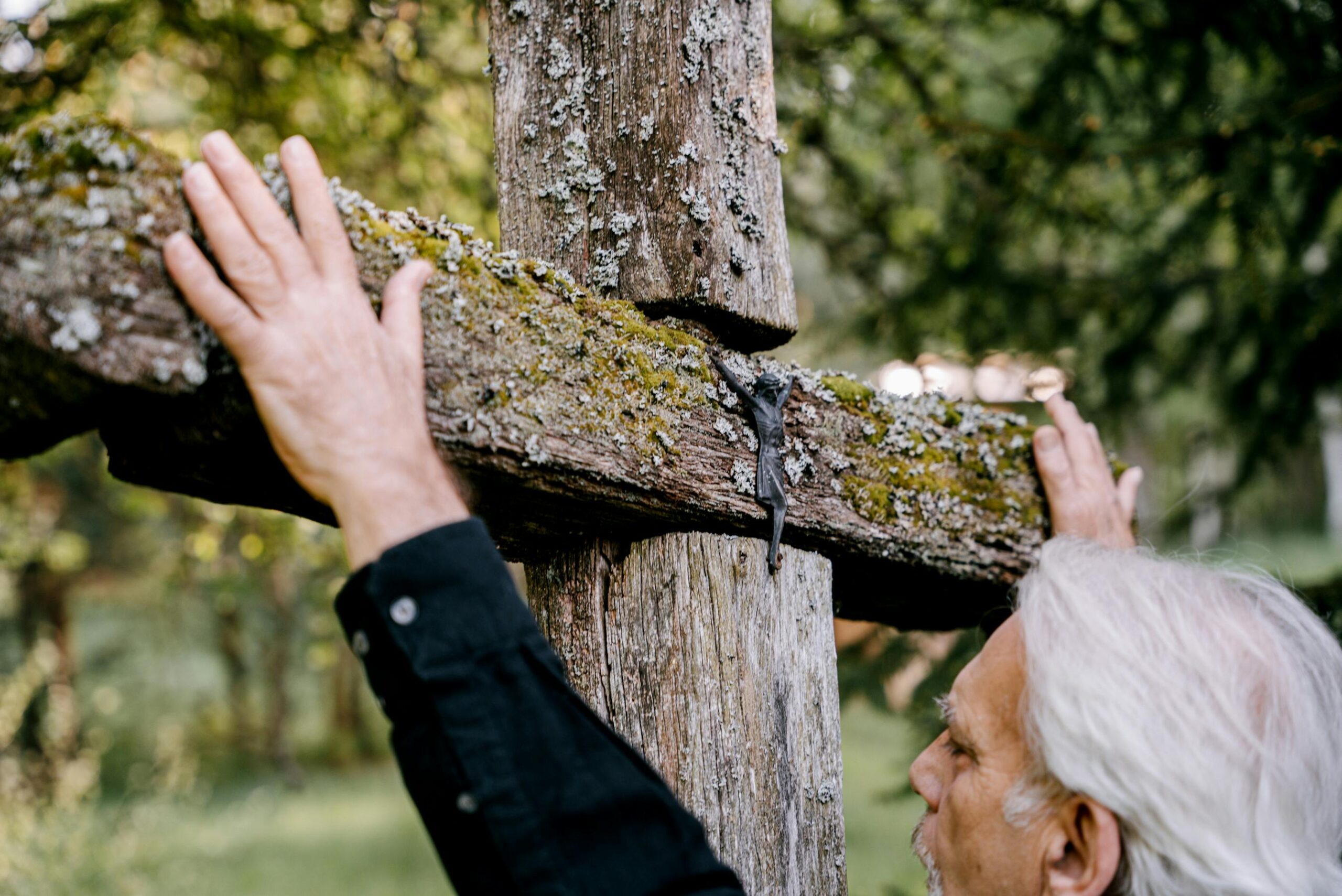
🌱 The Path Forward: Integrating Ancient and Modern Wisdom
The future of forest conservation and human wellbeing likely depends on successfully integrating ancestral ecological knowledge with contemporary science. Neither approach alone provides complete solutions, but together they offer complementary perspectives that address both practical management and ethical relationships with nature.
Progressive forestry programs increasingly employ indigenous peoples as consultants and co-managers, recognizing their irreplaceable expertise. Academic institutions establish collaborative research partnerships that respect indigenous intellectual property while documenting traditional knowledge. These developments suggest growing recognition that ancestral wisdom represents legitimate, valuable knowledge systems deserving preservation and application.
The roots of wisdom run deep through forest soil, connecting us to ancestors who understood their place within rather than above nature. By exploring these ancient connections, we don’t retreat into the past but instead discover timeless principles that can guide us toward more sustainable, meaningful relationships with the living world that sustains us.
Every forest walk becomes an opportunity to practice ancestral awareness—observing seasonal changes, identifying plants, reading animal signs, and experiencing the peace that comes from recognizing ourselves as participants in earth’s grand ecological community. This is the inheritance available to all who choose to receive it: the ancient, enduring wisdom of the forest.