
The intersection of biology, energy, and sustainable agriculture is giving rise to revolutionary approaches that could reshape how we produce food and manage ecosystems. Bioenergetic plant fields represent a frontier where ancient wisdom meets cutting-edge science, offering pathways to regenerative agriculture and ecological restoration.

As climate change intensifies and conventional farming methods deplete soil health, researchers and practitioners are turning toward nature’s own energy systems. These bioenergetic approaches harness the electromagnetic fields, vibrational frequencies, and information networks that exist within and between plants, creating agricultural ecosystems that are more resilient, productive, and harmonious with natural processes.
🌱 Understanding Bioenergetic Plant Fields: The Science Behind Nature’s Invisible Networks
Every living organism generates and responds to electromagnetic fields, and plants are no exception. Bioenergetic plant fields refer to the measurable energy signatures that plants emit and the complex information exchange systems they maintain with their environment. These fields encompass electrical potentials across cell membranes, biophoton emissions, and the sophisticated signaling networks that allow plants to communicate with neighboring organisms.
Research has demonstrated that plants generate weak electromagnetic fields through their metabolic processes. These fields aren’t merely byproducts of biological function—they appear to play active roles in growth regulation, stress response, and environmental adaptation. When we speak of bioenergetic fields, we’re referring to a multilayered phenomenon that includes measurable electrical activity, subtle energy patterns, and information transfer mechanisms that science is only beginning to understand.
The root systems of plants create particularly fascinating electrical patterns. As roots grow through soil, they generate electrical gradients that influence nutrient uptake, microbial relationships, and even the growth direction of neighboring plants. This underground electrical network functions like a biological internet, facilitating communication and resource sharing across entire ecosystems.
The Role of Biophotons in Plant Communication
One of the most intriguing aspects of bioenergetic plant fields involves biophotons—ultra-weak light emissions produced by all living organisms. Plants emit these photons at various wavelengths, and research suggests these emissions may carry information about the plant’s physiological state, stress levels, and even disease presence. Some scientists hypothesize that biophotons facilitate instantaneous communication between cells and potentially between different organisms.
Studies have shown that when plants are damaged or stressed, their biophoton emissions change dramatically. Neighboring plants can detect these altered emissions and preemptively activate defense mechanisms, suggesting a form of optical signaling that operates alongside chemical communication pathways. This discovery has profound implications for understanding ecosystem dynamics and developing agricultural practices that work with rather than against natural communication networks.
🌾 Practical Applications: Transforming Agriculture Through Bioenergetic Principles
The transition from theoretical understanding to practical application represents the most exciting frontier in bioenergetic agriculture. Farmers and researchers worldwide are developing methods that harness plant energy fields to increase yields, reduce chemical inputs, and create more resilient agricultural systems.
Electroculture, one pioneering approach, involves applying weak electrical currents or electromagnetic fields to enhance plant growth. Historical experiments dating back to the 18th century showed remarkable results, but the practice fell out of favor with the rise of chemical agriculture. Today, renewed interest and modern technology are reviving these techniques with increasingly sophisticated applications.
Electromagnetic Field Enhancement Techniques
Contemporary farmers are experimenting with various methods to optimize the electromagnetic environment of their crops. These include:
- Installing copper antennas or pyramidal structures that reportedly concentrate atmospheric energy and direct it toward plants
- Using grounding techniques that enhance the natural electrical connection between plants and the Earth’s electromagnetic field
- Applying pulsed electromagnetic fields at specific frequencies that research suggests stimulate root development and nutrient absorption
- Implementing magnetic water treatment systems that alter water’s structure and potentially improve its biological effectiveness
- Creating specific spacing patterns and orientations that optimize the interaction between individual plant fields
While some of these methods remain controversial within mainstream agriculture, accumulating evidence suggests that electromagnetic factors do influence plant physiology. The challenge lies in developing standardized protocols that consistently produce beneficial results across different crops and environmental conditions.
💚 The Mycorrhizal Connection: Underground Energy Networks
No discussion of bioenergetic plant fields would be complete without examining mycorrhizal networks—the symbiotic relationships between plant roots and fungal partners. These networks, sometimes called the “wood wide web,” facilitate nutrient exchange, water transport, and information sharing across entire forest ecosystems and agricultural fields.
Recent research has revealed that mycorrhizal networks also conduct electrical signals. When one plant experiences stress or attacks from pests, electrical impulses travel through the fungal connections to neighboring plants, triggering defensive responses. This electrical component adds another dimension to our understanding of how bioenergetic fields operate within soil ecosystems.
Sustainable agriculture practices that prioritize mycorrhizal health—such as minimal tillage, cover cropping, and reduced chemical inputs—simultaneously strengthen the bioenergetic infrastructure of agricultural land. By maintaining living roots in the soil year-round and avoiding practices that disrupt fungal networks, farmers can cultivate more robust energy fields that support plant health and productivity.
Practical Strategies for Mycorrhizal Enhancement
Farmers seeking to harness the bioenergetic potential of mycorrhizal networks can implement several evidence-based practices. Reducing or eliminating tillage prevents the physical disruption of fungal hyphae that require years to fully develop. Introducing diverse plant species creates multiple entry points for different mycorrhizal types, expanding network complexity and resilience.
Inoculating soils with appropriate mycorrhizal species can accelerate network establishment, particularly in degraded lands where natural fungal populations have been depleted. Maintaining soil organic matter through composting and mulching provides the carbon substrate these organisms need to thrive, while avoiding excessive phosphorus fertilization prevents the dependency relationships that make mycorrhizal partnerships redundant.
🌍 Regenerative Landscapes: Designing Farms as Energy Systems
Viewing agricultural land through the lens of bioenergetics fundamentally changes how we approach farm design. Rather than seeing fields as blank slates to be dominated through technological inputs, this perspective recognizes agricultural landscapes as complex energy systems where multiple biological fields interact and influence each other.
Regenerative agriculture practices align naturally with bioenergetic principles. By creating diverse polycultures, integrating trees and perennial plants, and maintaining continuous living cover, farmers construct multilayered energy fields that exhibit greater stability and productivity than monocultures. Each plant species contributes its unique electromagnetic signature to the overall field, creating a rich informational environment that supports beneficial insects, soil microbes, and crop health.
Agroforestry and Energetic Synergy
Agroforestry systems—which integrate trees with crops or livestock—demonstrate particularly powerful bioenergetic effects. Trees generate strong electromagnetic fields due to their large biomass and extensive root systems. These fields interact with those of understory crops, creating complex energetic patterns that may enhance growth and resilience for all species involved.
Traditional agricultural systems developed by indigenous peoples often incorporated trees in ways that modern science is only beginning to understand. The “three sisters” polyculture of corn, beans, and squash practiced by Native American communities creates complementary bioenergetic patterns alongside the well-documented nutritional synergies. Similarly, Asian rice paddy systems that integrate trees, fish, and crops establish multilayered energy fields that support exceptional productivity without external inputs.
🔬 Emerging Technologies: Measuring and Mapping Plant Energy Fields
Advances in sensing technology are making it increasingly possible to measure, map, and ultimately manage the bioenergetic aspects of agricultural systems. Specialized cameras can capture biophoton emissions, revealing patterns invisible to the naked eye. Sensitive electrodes measure electrical potentials in plant tissues and soils, providing real-time data on physiological stress and vitality.
These technologies are moving from research laboratories into practical agricultural applications. Some innovative farmers use electrical conductivity measurements to assess soil health and guide fertilization decisions. Others employ thermal imaging and electromagnetic sensing to detect crop stress before visible symptoms appear, allowing earlier intervention and reduced crop losses.
Digital Tools for Bioenergetic Agriculture
As interest in bioenergetic approaches grows, digital applications are emerging to help farmers implement these practices. Smartphone apps can now guide electromagnetic antenna installation, calculate optimal plant spacing based on energetic considerations, and provide protocols for various electroculture techniques. These tools democratize access to knowledge that was previously scattered across obscure publications and oral traditions.
Data analytics platforms are beginning to correlate electromagnetic measurements with crop performance, building evidence bases that could validate or refine bioenergetic agricultural practices. As datasets grow, machine learning algorithms may identify patterns and relationships that human observers miss, accelerating the development of effective protocols.
🌟 Ancient Wisdom Meets Modern Science: Indigenous Knowledge Systems
Many indigenous cultures have long recognized what Western science is only recently documenting—that plants and landscapes possess energetic qualities that influence agricultural success. Traditional practices like planting by lunar phases, orienting fields according to cardinal directions, and using specific geometric patterns reflect intuitive understanding of bioenergetic principles.
The Vedic tradition of Vrikshayurveda provides detailed instructions for enhancing plant vitality through what might be interpreted as bioenergetic interventions, including the use of specific sounds, magnetic materials, and energetic timing considerations. Similarly, traditional Chinese agricultural texts describe chi flow through landscapes and methods for harmonizing farm energy patterns with broader environmental forces.
Rather than dismissing these practices as superstition, contemporary researchers are investigating whether they contain verifiable biological mechanisms. Some findings suggest that lunar gravitational influences do affect plant water uptake and germination rates. Sound vibrations at certain frequencies demonstrably influence gene expression and growth patterns. These discoveries validate aspects of traditional knowledge while grounding them in measurable phenomena.
⚡ Challenges and Controversies: Navigating Scientific Skepticism
Despite growing evidence and practical successes, bioenergetic agriculture faces significant skepticism within mainstream agricultural science. Critics argue that many claimed effects lack rigorous experimental validation, that proposed mechanisms contradict established physics, and that anecdotal reports don’t constitute scientific proof.
These concerns carry validity. The field does suffer from inadequate standardization, inconsistent results, and unfortunate associations with pseudoscientific claims. Some promoters make exaggerated promises that damage credibility for legitimate research. The challenge lies in separating wheat from chaff—identifying which bioenergetic phenomena represent genuine biological mechanisms versus which reflect measurement errors, placebo effects, or misinterpreted correlations.
Progress requires rigorous experimentation with proper controls, replication across diverse conditions, and publication in peer-reviewed journals. Some researchers are rising to this challenge, conducting careful studies that document specific electromagnetic effects on plant physiology. As the evidence base strengthens, mainstream acceptance will likely grow, though the process may be gradual.
Building Scientific Credibility
For bioenergetic agriculture to achieve wider adoption, proponents must embrace scientific rigor rather than resist it. This means conducting controlled experiments, publishing negative as well as positive results, and remaining open to refutation when evidence doesn’t support particular claims. It also requires developing clear theoretical frameworks that explain how observed effects could operate within known physical principles.
Some effects attributed to bioenergetic fields may ultimately prove to operate through conventional mechanisms that current research hasn’t yet identified. Others may genuinely represent novel phenomena that expand our understanding of plant biology. Either outcome advances knowledge and supports more sustainable agricultural practices.
🚀 The Path Forward: Integrating Bioenergetics into Sustainable Food Systems
As humanity faces unprecedented challenges in feeding a growing population while regenerating degraded ecosystems, bioenergetic approaches offer valuable tools for creating more resilient and productive agricultural systems. The most promising path forward involves integrating validated bioenergetic practices with established sustainable agriculture methods.
This integration might include incorporating electromagnetic considerations into organic farming protocols, using bioenergetic assessments alongside conventional soil testing, and designing agricultural landscapes that optimize both material flows and energy field interactions. Rather than positioning bioenergetic agriculture as separate from or opposed to conventional sustainable practices, treating it as a complementary dimension could accelerate adoption and impact.
Education represents a critical need. Most agricultural training programs don’t address bioenergetic concepts, leaving farmers and advisors unprepared to evaluate or implement these approaches. Developing curricula that present current evidence objectively, acknowledge both potentials and limitations, and provide practical skills for experimentation would empower the next generation of farmers to explore these methods effectively.
Policy and Research Priorities
Advancing bioenergetic agriculture requires supportive policy frameworks and targeted research investment. Funding agencies should prioritize studies that investigate electromagnetic and energetic aspects of plant biology with rigorous methodology. Agricultural extension services could conduct on-farm trials that evaluate bioenergetic practices under real-world conditions, providing farmers with locally relevant information.
Certification systems for organic and regenerative agriculture might consider incorporating bioenergetic criteria that reward practices supporting healthy energy fields—such as maintaining living roots, minimizing electromagnetic pollution from powerlines, and preserving natural landscape features that influence energetic patterns. Such policies would incentivize practices that, even if incompletely understood, show consistent benefits for soil health and ecosystem function.
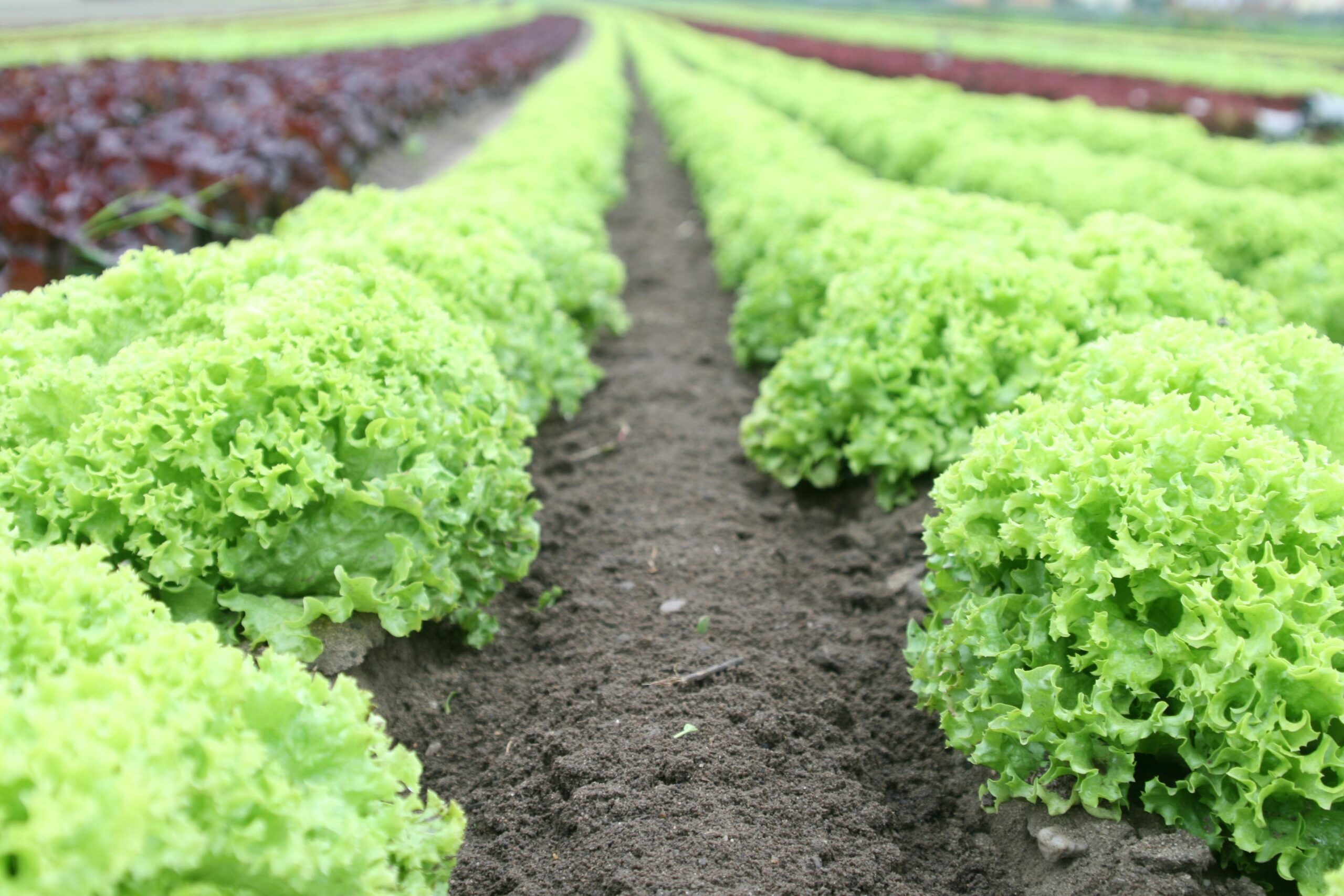
🌈 Envisioning a Bioenergetically-Enhanced Agricultural Future
Imagine agricultural landscapes designed not just for efficient crop production but as harmonious energy systems where plants, soils, microbes, and farmers collaborate through multiple dimensions of interaction. In such systems, electromagnetic sensing provides early warning of crop stress. Mycorrhizal networks, carefully cultivated and protected, facilitate information and resource sharing across entire farms. Strategic placement of trees and perennial vegetation creates beneficial energetic patterns that enhance annual crop performance.
This vision doesn’t require abandoning modern agricultural knowledge or returning to romanticized traditional practices. Instead, it represents an expansion of our agricultural toolkit—adding bioenergetic considerations to the genetic, chemical, and ecological factors we already manage. Some aspects of this vision are already being realized by pioneering farmers who report reduced input costs, improved crop quality, and enhanced farm resilience.
The transformative potential of bioenergetic plant fields ultimately lies not in any single technique or technology, but in the fundamental shift of perspective they encourage. By recognizing plants and soils as participants in complex energy systems rather than passive recipients of our interventions, we open pathways toward agricultural practices that work with natural processes rather than attempting to dominate them.
As research continues, practical experience accumulates, and technologies advance, our ability to measure, understand, and positively influence bioenergetic fields will grow. This evolution promises to unlock nature’s power in ways that support both human food security and planetary health—creating a truly sustainable future rooted in the deep wisdom encoded in living systems themselves.