
Throughout human history, flowers have whispered secrets through their petals, carrying meanings far deeper than their physical beauty suggests.

From ancient civilizations to modern spiritual practices, mythic flora has served as a bridge between the earthly and divine realms. These enigmatic blooms have shaped religious ceremonies, influenced artistic movements, and conveyed messages that words alone could never capture. Understanding their symbolism opens a portal to forgotten wisdom and cultural treasures that continue to resonate in our contemporary world.
🌺 The Ancient Roots of Floral Symbolism
The relationship between humanity and symbolic flowers stretches back millennia. Archaeological evidence reveals that Neanderthals placed flowers on graves over 60,000 years ago, suggesting an innate human tendency to assign meaning beyond mere decoration. Ancient Egyptians associated the blue lotus with rebirth and the sun, incorporating it into their most sacred rituals and artistic representations.
Greek mythology overflows with botanical transformations and floral symbolism. The narcissus flower emerged from the myth of the beautiful youth Narcissus, while the hyacinth sprang from the blood of Apollo’s beloved companion. These stories weren’t simply entertainment; they encoded cultural values, moral lessons, and spiritual truths within botanical imagery that educated generations.
Eastern traditions developed equally sophisticated floral languages. In Hindu mythology, the lotus represents spiritual enlightenment and divine beauty, with different colors carrying distinct meanings. Chinese culture developed an intricate system where the plum blossom symbolizes resilience, the orchid represents refinement, and the chrysanthemum embodies longevity and nobility.
The Language of Flowers: Victorian Floriography
The Victorian era witnessed the flowering of floriography—a complex symbolic language using botanical arrangements to communicate sentiments that social propriety prevented from being spoken aloud. This wasn’t frivolous romanticizing but a sophisticated communication system with dictionaries published to decode the messages.
A single rose color could transform an entire message. Red roses declared passionate love, while yellow roses might suggest jealousy or friendship depending on the accompanying blooms. White roses signified purity and innocence, and black roses (actually deep crimson) represented farewell or death. The number of flowers, their arrangement, and even whether they were presented upright or inverted altered the meaning.
This botanical vocabulary extended far beyond roses. Forget-me-nots pleaded for remembrance, while pansies represented thoughts of the beloved. Lavender conveyed distrust, but combined with roses, it tempered passion with caution. Understanding these nuances allowed Victorians to conduct entire conversations through carefully composed bouquets.
Decoding Hidden Messages in Floral Arrangements
The positioning of flowers within Victorian bouquets carried significance equal to the blooms themselves. Flowers tilted to the right indicated messages about the recipient, while those leaning left referred to the sender. A flower presented upside down reversed its traditional meaning entirely, transforming a declaration of love into a rejection.
Ribbons, lace, and accompanying greenery added layers of complexity. Ivy signified fidelity and eternal affection, making it a popular addition to romantic bouquets. Ferns represented sincerity and fascination, while adding oak leaves symbolized strength and endurance in the relationship being celebrated or mourned.
🌸 Sacred Blooms Across World Mythologies
Every major cultural tradition has elevated certain flowers to sacred status, weaving them into creation myths, religious practices, and spiritual symbolism. These mythic flora serve as focal points for meditation, worship, and understanding the divine nature of existence.
The Lotus: Eastern Enlightenment and Purity
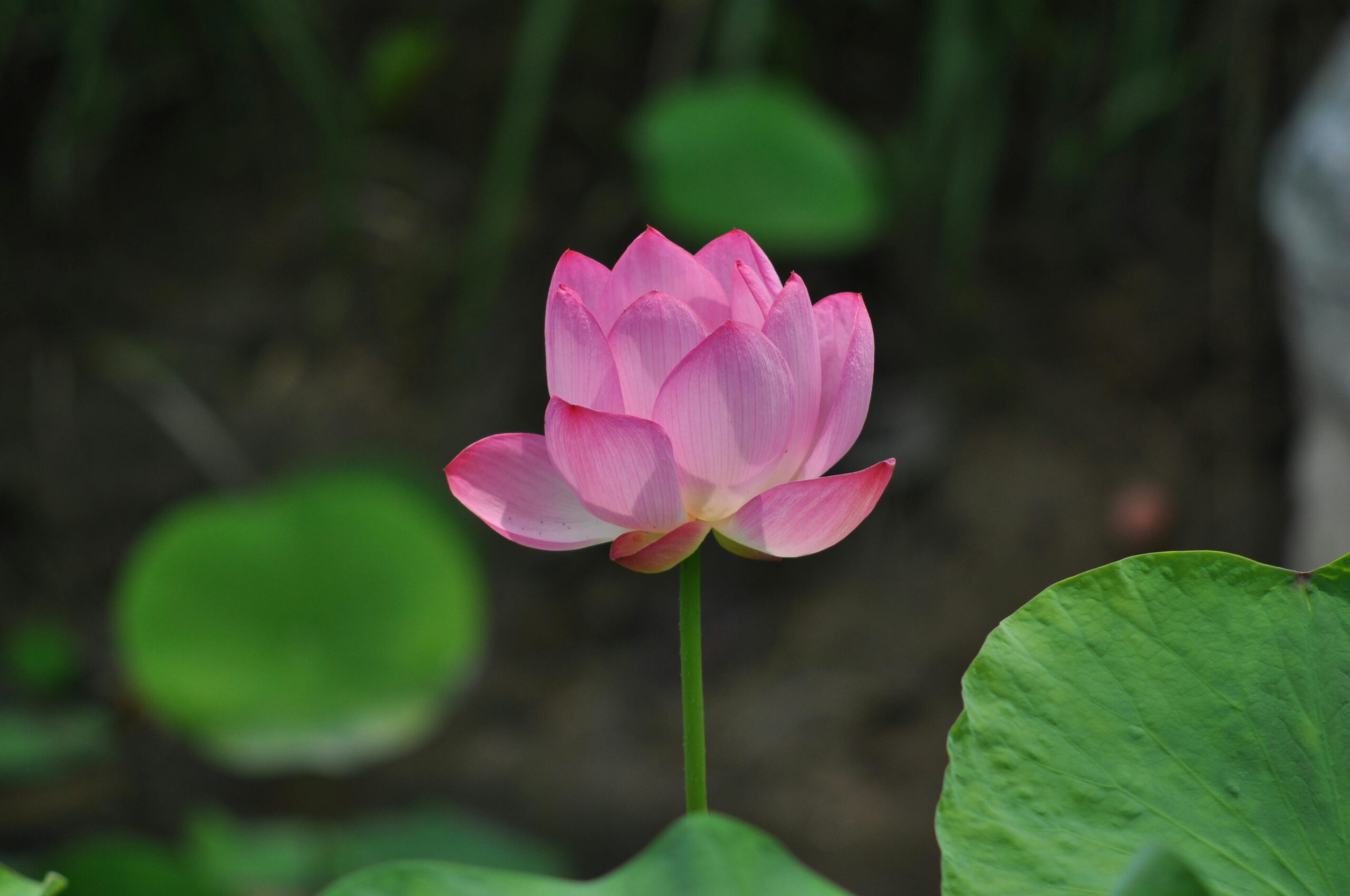
The lotus holds unparalleled significance across Asian spiritual traditions. In Buddhism, this aquatic flower represents the journey from muddy ignorance to enlightened awareness. Its roots anchor in mud, the stem rises through murky water, and the blossom opens pristine above the surface—a perfect metaphor for spiritual transcendence.
Hindu mythology presents the lotus as the seat of deities and the origin of creation itself. Brahma emerged from a lotus growing from Vishnu’s navel, while Lakshmi, goddess of prosperity, stands upon lotus petals. The different stages of lotus development—bud, blooming flower, and seed pod—represent past, present, and future.
Ancient Egyptian civilization revered the blue lotus as a symbol of the sun, creation, and rebirth. This sacred flower closed at night and sank beneath the water, only to resurface and reopen with the dawn—embodying the sun god Ra’s nightly journey through the underworld and triumphant morning resurrection.
The Rose: Western Mysticism and Divine Love
Western mystical traditions have crowned the rose as the supreme symbol of divine love, spiritual mystery, and sacred femininity. Christian iconography associates roses with the Virgin Mary, dubbing her the “Mystical Rose” and “Rose Without Thorns.” Medieval cathedrals featured elaborate rose windows representing the divine light filtering into earthly existence.
Alchemical traditions employed the rose as a symbol of spiritual transformation and the philosopher’s stone. The Rosicrucian movement adopted the rose and cross as their central emblem, representing the intersection of material and spiritual realms. Persian Sufi poetry uses rose imagery extensively to describe the beloved and divine intoxication.
Greek mythology explains the rose’s origin through Aphrodite’s tears and Adonis’s blood, forever linking it with love, beauty, and sacrifice. Roman emperors filled pools with rose petals during celebrations, while rose garlands crowned victorious athletes and decorated marriage ceremonies.
Flowers of Transformation and Metamorphosis
Mythological narratives frequently feature human-to-flower transformations, creating botanical species imbued with human emotions, consequences, and eternal stories. These metamorphoses serve as cautionary tales, explanations for natural phenomena, and vehicles for exploring human psychology through botanical metaphor.
Narcissus: Beauty, Vanity, and Self-Reflection
The narcissus flower emerges from one of mythology’s most psychologically complex tales. The beautiful youth Narcissus, punished for his pride, fell in love with his own reflection and wasted away gazing at it. Where he died, a flower grew—still bending toward water as if seeking that impossible love.
This myth encodes warnings about excessive self-absorption while simultaneously exploring themes of identity, desire, and the boundaries between self and other. The narcissus blooms in early spring, symbolizing rebirth but also the dangers of remaining trapped in self-contemplation rather than engaging with the world.
Hyacinth: Love, Loss, and Remembrance
Apollo’s grief over accidentally killing his beloved Hyacinthus birthed the hyacinth flower. From the youth’s spilled blood, Apollo created a bloom marked with “AI AI”—a Greek cry of lamentation. This transformation converts devastating loss into perennial beauty, suggesting that love transcends death through memory and symbol.
The hyacinth carries associations with competitive sport (Hyacinthus died during athletic games), divine love between gods and mortals, and the permanence of genuine affection. Its intense fragrance and vibrant colors make it impossible to overlook—much like grief itself demands acknowledgment.
🌿 Botanical Symbols in Sacred Texts and Rituals
Religious traditions worldwide incorporate specific flowers into their liturgies, texts, and spiritual practices. These sacred blooms serve as offerings, meditation focal points, and symbols of divine attributes that help practitioners connect with transcendent realities.
The Bible references flowers throughout both testaments, from the lily of the valley representing humility and the rose of Sharon symbolizing beauty, to Jesus’s teaching about considering the lilies of the field. Medieval Christian mystics developed elaborate symbolic interpretations of biblical flowers, creating devotional practices centered on botanical meditation.
Islamic traditions particularly revere the rose, with Prophet Muhammad reportedly stating that the rose emerged from his sweat during the night journey. Islamic gardens emphasize fragrant flowers as earthly previews of paradise, where eternal blooms await the faithful. The intricate floral patterns in Islamic art represent divine beauty and the ordered complexity of creation.
Ritual Uses of Mythic Flora
Religious ceremonies across cultures employ flowers as essential ritual elements. Hindu pujas require specific flowers for different deities—red hibiscus for Kali, white lotus for Saraswati, and jasmine for various goddesses. The flower selection, arrangement, and offering method follow precise scriptural guidelines.
Japanese Shinto shrines feature sakura (cherry blossom) celebrations that combine spiritual reverence with aesthetic appreciation. The ephemeral nature of cherry blossoms embodies Buddhist concepts of impermanence while celebrating life’s precious beauty. These hanami traditions date back over a millennium.
Indigenous American traditions utilize sacred flowers in healing ceremonies, vision quests, and seasonal celebrations. Tobacco flowers carry prayers to the spirit world, while various medicinal flowers serve both physical and spiritual healing functions. This holistic approach recognizes no separation between botanical medicine and spiritual practice.
Dark Blooms: Flowers of Death and the Underworld
Not all mythic flora represents beauty, love, and enlightenment. Numerous cultures associate specific flowers with death, danger, and the underworld—creating a botanical vocabulary for humanity’s darker experiences and fears.
The asphodel meadows of Greek mythology served as the resting place for ordinary souls in the afterlife—neither paradise nor punishment, but an eternal gray existence. This connection transformed asphodels into funerary flowers representing the neutral state of death and the liminal space between life and non-existence.
Poppies carry dual symbolism as both sleep/death flowers and symbols of remembrance for fallen soldiers. Greek mythology connected poppies with Morpheus, god of dreams, and Hypnos, god of sleep. Their sedative properties made them natural symbols for death’s resemblance to eternal slumber. Modern poppy symbolism honors war dead, particularly after World War I’s devastated poppy fields.
Poisonous Beauty: Toxic Flowers in Myth
Dangerous flowers like nightshade, oleander, and hemlock feature prominently in mythological narratives about betrayal, murder, and forbidden knowledge. These toxic beauties warn that not all attractive things prove beneficial—a lesson encoded in countless folktales about enchanted gardens and poisonous gifts.
Aconitum (wolfsbane or monkshood) emerges from the saliva of Cerberus, the three-headed guardian of Hades, making it literally born from underworld essence. Medieval witchcraft accusations frequently involved these dangerous flowers, creating associations between botanical knowledge and dangerous power that particularly targeted women healers.
🌼 Seasonal Flowers and Cyclical Mythology
Many mythic flora connect intimately with seasonal cycles, embodying themes of death and rebirth that mirror agricultural patterns and celestial movements. These botanical symbols helped pre-industrial societies mark time, predict weather, and understand their place within natural rhythms.
The Persephone myth fundamentally connects with seasonal flowers. When Hades abducted Persephone while she gathered flowers, her mother Demeter’s grief created winter. Persephone’s annual return brings spring flowers and renewal. This narrative explains seasonal change while exploring themes of loss, maturation, and cyclical transformation.
Celtic traditions celebrated specific flowers at each seasonal festival. Hawthorn blossoms marked Beltane, connecting with fertility and the thinning veil between worlds. Heather bloomed during harvest festivals, while mistletoe—technically a parasitic plant—held winter solstice significance as an evergreen symbol of life persisting through darkness.
Modern Interpretations of Ancient Floral Wisdom
Contemporary culture continues finding relevance in mythic flora symbolism, adapting ancient meanings for modern contexts while maintaining connections to timeless themes. Tattoo artists, wedding planners, and spiritual practitioners draw from these rich symbolic vocabularies.
The resurgence of interest in botanical symbolism reflects broader cultural movements toward mindfulness, nature connection, and meaningful ritual in increasingly digital lives. People seek authentic symbols that carry weight beyond commercial messaging—finding in mythic flora a vocabulary that has resonated across millennia.
Environmental movements have adopted botanical symbolism to communicate urgent messages about ecosystem preservation. The extinction of flower species carries not just ecological implications but cultural and spiritual losses—erasing living symbols that connected generations to their heritage and the natural world.
Cultivating Personal Flower Symbolism
While traditional flower meanings provide rich starting points, personal experience and cultural context should inform individual interpretations. A flower present during a significant life moment acquires unique meaning that may diverge from historical associations—and that personalization represents the living evolution of symbolic systems.
Creating personal botanical rituals—whether meditation gardens, seasonal bouquet traditions, or flower-based celebrations—allows modern practitioners to tap into ancient wisdom while developing contemporary spiritual practices. These activities reconnect us with natural cycles and provide mindful alternatives to passive consumption.
The Eternal Language of Petals and Thorns
Mythic flora symbolism endures because it addresses fundamental human experiences—love, loss, transformation, beauty, danger, and transcendence—through living metaphors that bloom anew each season. These flowers bridge rational and intuitive knowing, offering wisdom that speaks to both mind and soul.
Understanding the hidden meanings behind nature’s most enigmatic blooms enriches our experience of the natural world while connecting us to countless generations who found meaning in the same petals. Whether we encounter these symbols in art, literature, gardens, or wild landscapes, recognizing their layered significance deepens our appreciation and reminds us that beauty often carries messages we’re only beginning to decode.
As we face environmental challenges that threaten both ecosystems and the cultural knowledge embedded in botanical traditions, preserving and transmitting flower symbolism becomes increasingly important. These living symbols deserve protection not just as biological species but as carriers of human meaning, spiritual wisdom, and artistic inspiration that have shaped civilizations throughout history.
The secret language of flowers continues speaking to those willing to listen—offering timeless insights wrapped in ephemeral beauty, reminding us that the most profound truths often come packaged in the simplest natural forms. 🌹