
Forests are far more than collections of individual trees. They are intricate, living networks where communication flows constantly, creating response chains that sustain entire ecosystems and offer profound lessons for environmental conservation.

Understanding these forest-wide response chains reveals how nature orchestrates survival strategies across species, distances, and generations. This interconnected web of life demonstrates remarkable resilience and adaptability, providing blueprints for sustainable ecosystem management that humanity desperately needs in an era of climate uncertainty.
🌳 The Hidden Language of Trees: How Forests Communicate
Beneath the forest floor exists an invisible internet—a vast mycorrhizal network connecting trees through fungal threads finer than human hair. Scientists often call this the “Wood Wide Web,” where trees exchange nutrients, water, and crucial warning signals about threats ranging from insect attacks to drought conditions.
This underground network operates through symbiotic relationships between tree roots and fungi. The fungi receive sugars produced through photosynthesis, while trees gain access to water and nutrients the fungi extract from soil. But the exchange goes far beyond simple trading—it creates a communication superhighway that enables forest-wide response chains.
Research has shown that when one tree experiences stress from pest infestation, it releases chemical signals through both airborne compounds and underground fungal networks. Neighboring trees receiving these warnings preemptively activate their defense mechanisms, producing bitter-tasting compounds that deter herbivores before they arrive.
Chemical Messengers and Volatile Organic Compounds
Trees communicate through sophisticated chemical languages involving volatile organic compounds (VOCs). When a leaf is damaged, the tree releases specific VOC signatures that travel through the air, alerting nearby plants to potential danger. Different threats trigger different chemical messages, creating a nuanced warning system.
These airborne signals can travel significant distances, triggering defensive responses in trees that haven’t yet encountered the threat. This preemptive defense system exemplifies how forest-wide response chains create collective resilience, where individual vulnerability transforms into community strength.
🔗 The Architecture of Forest Response Networks
Forest response chains operate at multiple scales simultaneously, from microscopic soil interactions to canopy-level climate regulation. Understanding this multi-layered architecture reveals how ecosystems maintain stability despite constant environmental pressures.
At the foundation level, soil microbiomes process nutrients and regulate water availability. These microbial communities respond to chemical signals from plant roots, adjusting their activity to support forest health. When drought conditions arise, certain beneficial bacteria increase production of compounds that help plants retain moisture.
Hub Trees: The Mother Trees of the Forest
Within forest networks, certain ancient trees function as hubs—sometimes called “mother trees”—that maintain disproportionately large numbers of connections. These elder trees support younger saplings by channeling resources through fungal networks, essentially nurturing the next generation.
Research by Dr. Suzanne Simard demonstrated that these hub trees recognize their own offspring and preferentially allocate resources to them. When mother trees are removed through logging, the entire network’s resilience decreases significantly, as younger trees lose their primary support system and communication hub.
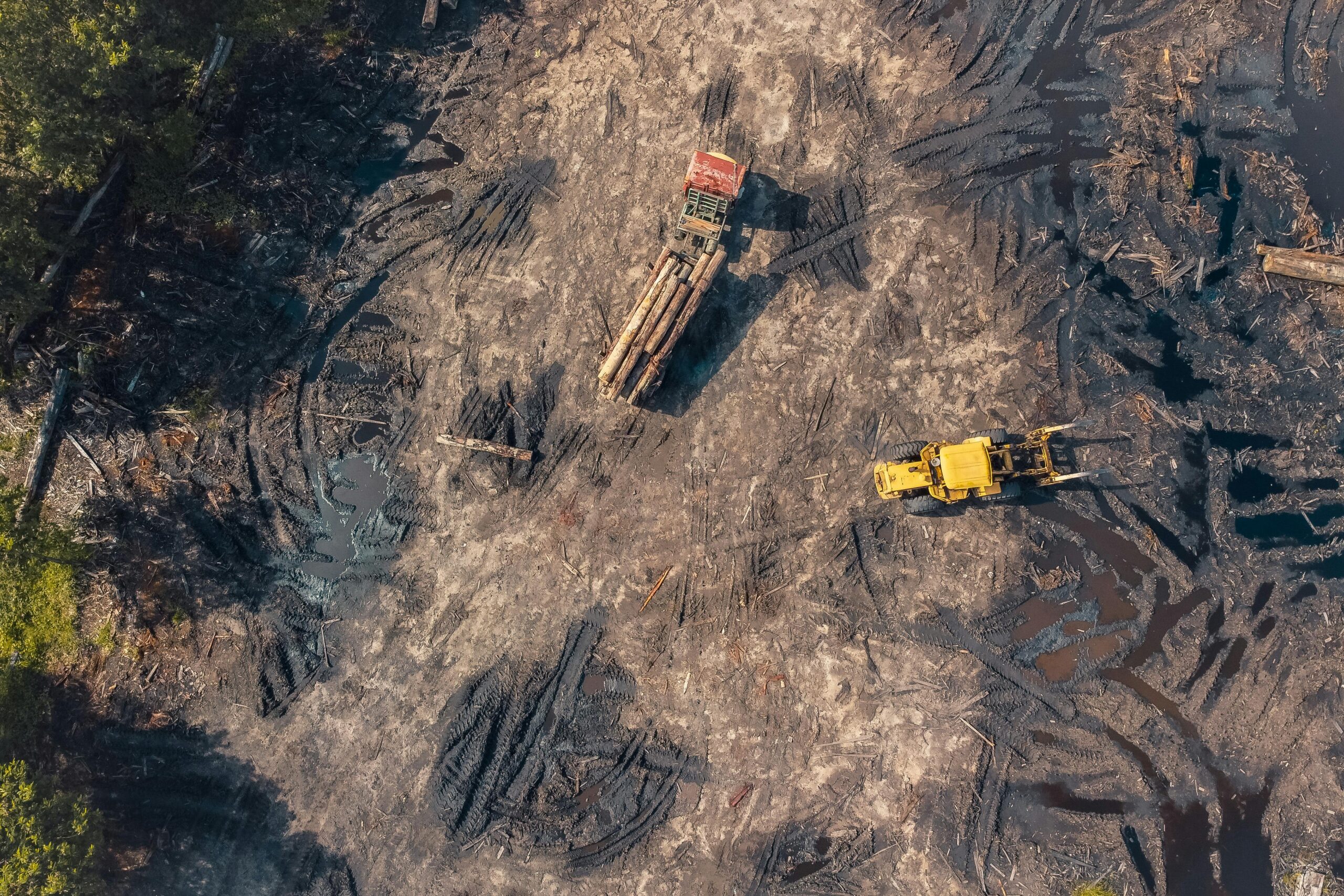
This discovery has profound implications for forestry practices. Selective logging that preserves hub trees maintains network integrity, allowing forests to recover more quickly and sustain biodiversity more effectively than clear-cutting approaches.
🌿 Response Chains in Action: Real-World Examples
Observing forest response chains in natural settings reveals their remarkable sophistication. These examples demonstrate how interconnected systems create outcomes that individual organisms could never achieve alone.
Pest Defense Coordination
When bark beetles attack pine trees in North American forests, the infested tree immediately begins producing defensive resins while simultaneously releasing chemical warnings. Within hours, neighboring trees increase their own resin production, making themselves less attractive targets.
This coordinated response creates patches of highly defended trees that slow beetle population explosions. The response chain extends beyond pines—nearby deciduous trees also alter their chemistry, reducing overall habitat suitability for the pests across the entire forest ecosystem.
Water Management Networks
During drought conditions, forest response chains activate sophisticated water-sharing mechanisms. Deep-rooted trees access groundwater and redistribute it through mycorrhizal networks to shallow-rooted species. This hydraulic redistribution prevents wholesale forest collapse during dry periods.
Canopy trees also modify their transpiration rates collectively, creating localized humidity that benefits the entire forest community. This coordinated moisture management represents a forest-scale response chain that regulates microclimate conditions.
💡 Biomimicry: Learning from Forest Networks
The principles governing forest response chains offer valuable models for human systems design. Biomimicry—learning from and imitating nature’s strategies—can transform how we approach agriculture, urban planning, and resource management.
Agricultural systems increasingly incorporate forest network principles through intercropping and mycorrhizal inoculation. These practices create crop response chains that reduce pesticide dependence, improve soil health, and increase yield stability across variable weather conditions.
Building Resilient Urban Ecosystems
Urban foresters now design tree plantings that intentionally create mycorrhizal connections between street trees. These networks help urban forests withstand pollution, compacted soils, and heat island effects more effectively than isolated plantings.
Green infrastructure projects that mimic natural forest layering—from canopy trees to understory shrubs to ground covers—establish response chains that manage stormwater, filter air pollution, and moderate urban temperatures. The interconnected design proves more effective and lower-maintenance than single-species approaches.
🌍 Climate Regulation Through Forest Response Systems
Forests play critical roles in global climate regulation, and their response chains amplify these effects. Understanding these mechanisms clarifies why forest conservation represents one of our most powerful climate mitigation strategies.
Trees sequester carbon dioxide through photosynthesis, but forest response networks enhance this capacity. Mycorrhizal fungi transfer significant carbon into soil structures where it remains stable for decades or centuries. The underground carbon storage facilitated by fungal networks rivals the above-ground carbon captured in tree biomass.
Feedback Loops and Climate Stabilization
Forest response chains create negative feedback loops that stabilize local climates. As temperatures rise, forests increase transpiration, creating cooling effects through evaporative processes. This moisture release also seeds cloud formation, increasing rainfall and further cooling the region.
These self-regulating mechanisms function only when forest networks remain intact. Fragmented forests lose connectivity, disrupting response chains and diminishing climate regulation capacity. Maintaining large, connected forest landscapes preserves these crucial feedback systems.
🔬 Scientific Breakthroughs in Understanding Forest Networks
Recent technological advances have revolutionized our understanding of forest communication systems. Sophisticated isotope tracking allows researchers to follow nutrient movement through mycorrhizal networks in real-time, revealing exchange patterns previously invisible.
Advanced sensors now monitor VOC emissions continuously, mapping how chemical signals propagate through forest stands. Machine learning algorithms analyze these datasets to identify response chain patterns and predict ecosystem responses to environmental stressors.
Genomic Studies Reveal Network Complexity
DNA sequencing of soil samples has uncovered astonishing fungal diversity within forest ecosystems. A single handful of forest soil may contain thousands of fungal species, many previously unknown to science. This diversity creates redundancy in forest networks, ensuring that if one communication pathway fails, alternatives exist.
Genomic research also reveals how trees adjust gene expression in response to signals received through mycorrhizal networks. This epigenetic flexibility allows forests to adapt rapidly to changing conditions without waiting for evolutionary selection processes.
🌱 Practical Applications for Ecosystem Restoration
Understanding forest response chains transforms restoration ecology from simply planting trees to rebuilding functional networks. Successful restoration requires re-establishing the underground connections that enable communication and resource sharing.
Restoration projects now inoculate planting sites with native mycorrhizal fungi collected from healthy reference forests. This approach jumpstarts network formation, allowing restored areas to develop functional response chains years faster than natural succession would achieve.
Assisted Migration and Network Adaptation
Climate change challenges forests with conditions outside their historical tolerance ranges. Progressive restoration strategies use forest network principles to facilitate adaptation by introducing climate-adapted tree species while maintaining existing network structures.
By planting climate-adapted seedlings within functioning networks, restoration practitioners allow established hub trees to support newcomers while gradually shifting forest composition toward future-adapted communities. This network-based approach reduces transplant shock and accelerates establishment success.
⚖️ Balancing Human Needs with Forest Network Integrity
Sustainable forestry must reconcile timber production with network preservation. Emerging practices demonstrate that these goals need not conflict when management incorporates response chain principles.
Variable retention harvesting preserves hub trees and maintains network connectivity while still extracting timber value. By leaving 15-30% of mature trees distributed throughout harvest areas, this approach sustains mycorrhizal networks that facilitate rapid forest recovery.
Indigenous Knowledge and Forest Networks
Indigenous forest management practices have long recognized forest interconnectedness, though expressed through different frameworks than Western science. Traditional selective harvesting, controlled burning, and species cultivation work with forest response chains rather than against them.
Integrating indigenous knowledge with contemporary network science creates more holistic management approaches. Many indigenous communities maintain forests that support both human livelihoods and exceptional biodiversity, demonstrating that sustainable coexistence is achievable when we respect natural systems.
🔮 Future Directions: Emerging Research Frontiers
Forest network science continues evolving rapidly as new research tools reveal previously hidden dimensions of ecosystem communication. Emerging questions promise to deepen our understanding and expand practical applications.
Researchers are investigating whether forests demonstrate learning and memory at network scales. Some evidence suggests that forests experiencing repeated drought stress develop enhanced drought responses over time, even in trees that weren’t present during initial stress events. This implies network-level information storage that transcends individual organisms.
Acoustic Communication in Forest Systems
Recent studies suggest that plants may use acoustic signals alongside chemical communication. Root systems appear to detect sound vibrations from water movement and neighboring roots, potentially adding another communication layer to forest networks.
If confirmed, acoustic communication would represent a faster signaling method than chemical diffusion, enabling more rapid response chains. This research frontier may reveal that forest networks are even more sophisticated than currently appreciated.
🌏 Global Forest Networks and Planetary Health
Forest response chains operate not just locally but connect across continents through atmospheric and hydrological systems. The Amazon rainforest’s transpiration feeds rainfall patterns across South America and beyond. Boreal forests influence atmospheric circulation patterns affecting global climate.
Protecting forest networks therefore represents a planetary-scale necessity. When forests in one region degrade, response chains weaken, creating cascading effects that ripple through connected systems. Conversely, restoration efforts create positive ripples that enhance ecosystem function across large scales.
International conservation initiatives increasingly recognize that protecting forests means preserving networks, not just individual reserves. Wildlife corridors, transboundary protected areas, and landscape-scale conservation planning all reflect network-based thinking.
🛠️ Tools for Monitoring Forest Network Health
Effective conservation requires assessing forest network functionality. Traditional metrics like tree density or species counts don’t capture network integrity, prompting development of new monitoring approaches.
Environmental DNA sampling can assess mycorrhizal network diversity and connectivity. Spectral analysis of leaf chemistry reveals whether trees are actively exchanging resources. Acoustic monitoring detects insect activity that may trigger defense response chains.
These tools enable adaptive management that responds to network health indicators rather than waiting for obvious degradation. Early detection of network weakening allows interventions before ecosystem collapse occurs.
🌟 The Power of Connected Thinking
Forest response chains teach us that survival depends on connection, not competition alone. While individual trees compete for light and nutrients, they simultaneously cooperate through underground networks, sharing resources and information that enhance collective resilience.
This paradox—competition and cooperation coexisting—offers profound lessons for human societies facing environmental challenges. Solutions emerge not from isolated actions but from building networks that enable coordinated responses to shared threats.
The forest shows us that diversity strengthens networks. Multiple species, multiple connection pathways, and multiple response strategies create systems that adapt to unpredictable changes. Monocultures, whether in forestry or agriculture, lack this network resilience and remain vulnerable to catastrophic failures.
🌈 Cultivating Forest Wisdom in Human Systems
Applying forest network principles to human challenges requires shifting from mechanistic thinking to ecological understanding. Rather than viewing forests as timber factories or ecosystems as machines, we must recognize them as living communities where relationships define outcomes.
This perspective transforms conservation from preservation to participation—recognizing humans as network participants rather than external managers. Indigenous peoples have embodied this understanding for millennia, and Western science is finally developing frameworks that validate traditional ecological knowledge.
Education systems that teach forest network science cultivate ecological literacy, preparing future generations to design sustainable systems inspired by nature’s proven strategies. From biomimetic architecture to regenerative agriculture, forest wisdom offers solutions to seemingly intractable problems.
The power of forest-wide response chains lies not just in their biological sophistication but in the vision they provide for sustainable coexistence. By learning nature’s language of connection, cooperation, and collective resilience, we discover pathways toward thriving alongside Earth’s living systems rather than merely exploiting them. The forest’s network reveals our own potential for transformation when we embrace interconnection as our fundamental reality.